
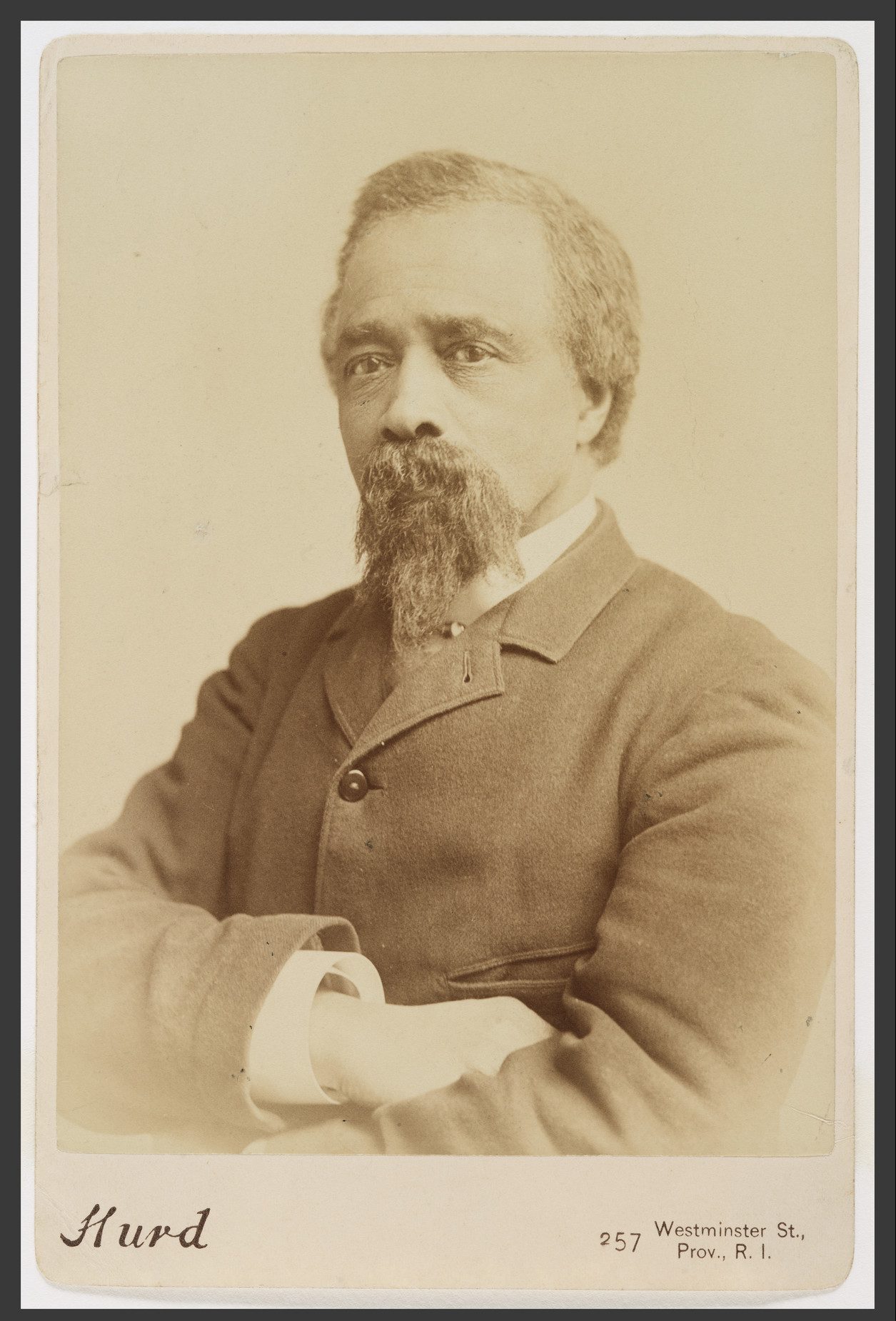
Edward Bannister was one of the most successful Black artists of the nineteenth century. Despite the social, economic, and racial barriers in his way, Bannister garnered acclaim as a Tonalist painter after studying at the Lowell Institute, which in 1850 opened a free drawing school, in keeping with its 1836 founding mission of offering public lectures and courses to Boston citizens regardless of gender or ethnicity. Although racism certainly affected his career (he won first prize in the Philadelphia Centennial Exposition for his work Under the Oaks, which the judges later vied to overturn after realizing the winner was a Black man), Bannister accepted impressive commissions and even helped found the Providence Art Club.
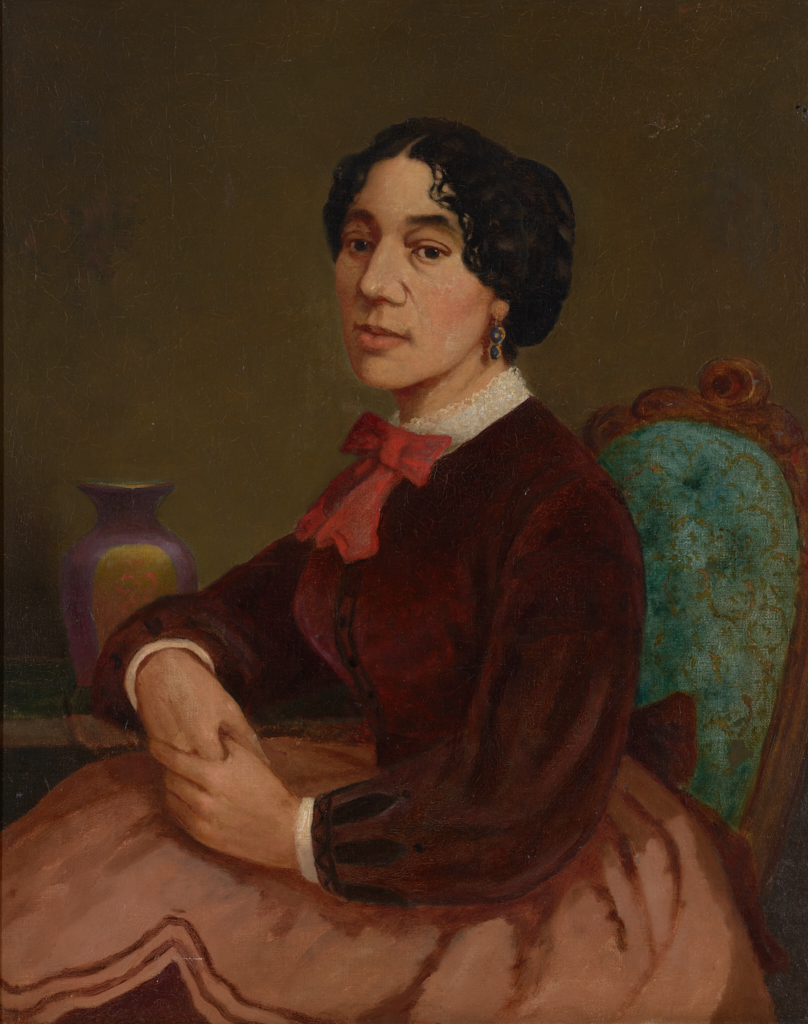
Christiana Carteaux Bannister, Edward Bannister’s wife, was an incredible activist, entrepreneur, and abolitionist. The two met when Edward took a job as a barber in a salon Christiana owned. After their marriage, she helped him gain connections in the art world, spurred on the couple’s involvement in the Boston Underground Railroad, and even founded the Home for Aged Colored Women in Providence.
Read more about the Bannisters in “Creative Breakthrough: Battling Racism to be an Artist” from the Fall 2020 issue of Historic New England magazine.
Above images, from left: Edward Mitchell Bannister, by Gustine L. Hurd, c. 1880, Albumen silver print, National Portrait Gallery, Smithsonian Institution, gift of Sandra and Jacob Terne; Christiana Carteaux Bannister, probably Boston, c. 1860, oil on panel, 35 x 25 inches, gift to RISD Museum by the Edward M. Bannister Foundation.
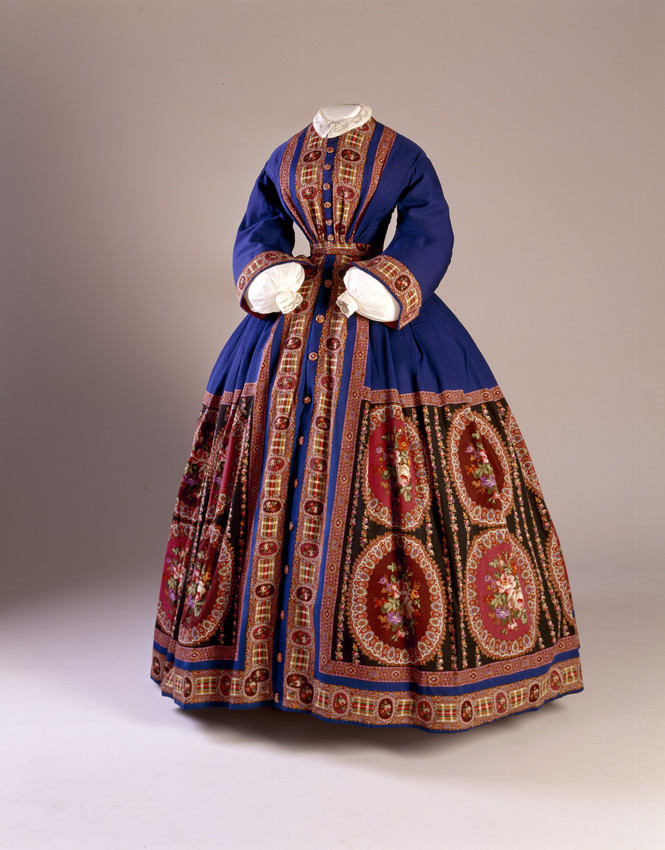
Just as Christiana Carteaux Bannister established the Home for Aged Colored Women in Providence, a branch of the organization also existed in Boston. Established in 1860 by Rev. James Freeman Clarke, his mother Rebecca Parker Clarke, and Rev. Leonard A. Grimes of the Twelfth Baptist Church in Boston, the Home for Aged Colored Women was a charitable organization that provided services to aged and indigent African American women in Beacon Hill. Supporters of the home provided funding for the organization and also donated food, coal, and firewood.
This dressing gown came into Historic New England’s collection in 1915 as a gift from Boston’s Home for Aged Colored Women. A Committee on Clothing provided both new and used clothing for the residents. Unfortunately, this dress, despite almost certainly being donated long after it was fashionable, had been packed away as being “too good to wear.”
Find out more about the Home for Aged Colored Women in the Massachusetts Historical Society records.
On November 11, 2020, Historic New England invited acclaimed historian Gretchen Sorin to discuss how the car—the ultimate symbol of independence and possibility—has always held particular importance for African Americans.
Revisit this online lecture to learn about the creation of a parallel, unseen world of Black motorists, who relied on travel guides, Black-only businesses, and informal communications networks to keep them safe.
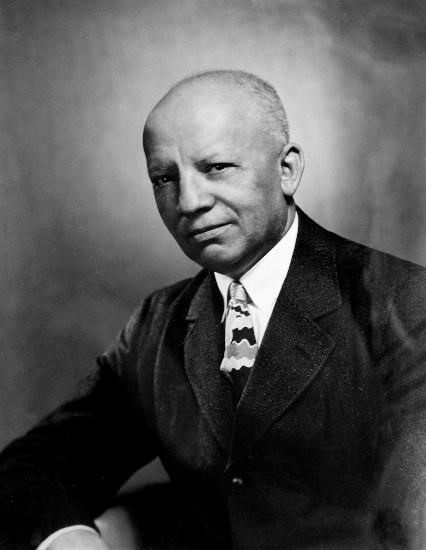
Dr. Carter G. Woodson (1875-1950), “the father of Black History,” believed that the only way to achieve racial equality was through the study and elevation of Black excellence. Woodson’s beliefs were not new or unique. Like many who came before him, Woodson believed that education would show the world that African Americans helped build, shape, and bring prosperity to the United States.
It was this acute focus on education that, after years of advocacy to bring African American history and American history together, Woodson helped create Black History Month’s predecessor: Negro History Week.
Read more about Woodson from Study Center volunteer Erica Ciallela.

Tuesday, February 16, 5:30 p.m.
Two paintings in Artful Stories reflect important aspects of the African American experience in New England. The New Hampshire-based artist Richard Haynes describes why he created his imaginary portrait of Cyrus Bruce, while scholar Rosalyn Delores Elder explores how Edward Mitchell Bannister transcended nineteenth-century attitudes about race to become a successful artist in Providence, Rhode Island.
Wednesday, February 24, 5:00 p.m.
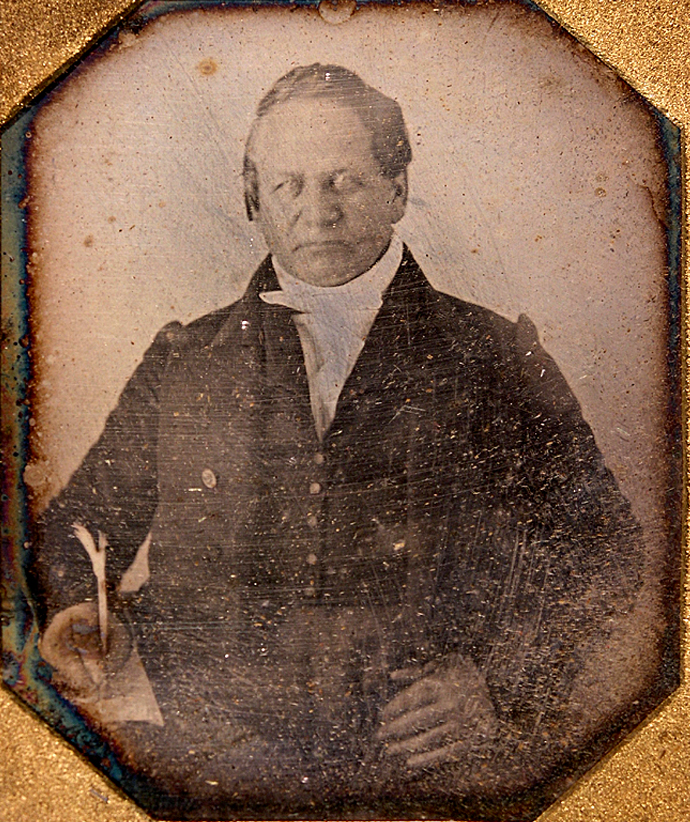
Alexander Twilight, a racially ambiguous man born in Bradford, Vermont, in 1795, is known as the first Black graduate of an American college (Middlebury College), the first Black state legislator (Vermont), and the first Black headmaster of a grammar school in Vermont. In this virtual presentation, Bill Hart, Professor Emeritus of History at Middlebury College, discusses the significance of Twilight’s many achievements and examines his complicated racial identity.
Sign up to our newsletter for our latest news and events