
When you picture a museum and the collections it contains, you might think of gilded frames, oil paintings, or delicate items preserved behind glass. What you probably don’t imagine is that some of those objects could be toxic—or even deadly. While the thought of a collection being lethal may sound sinister, it’s also surprisingly common. For centuries, people created everyday items using chemicals we now know are highly poisonous, and many of those objects have ended up in museums, libraries, and archives.
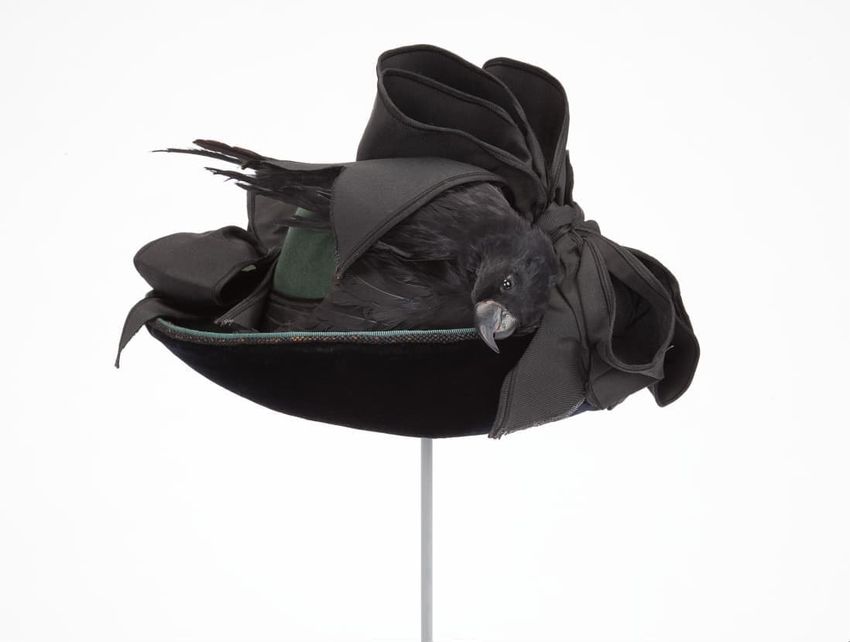
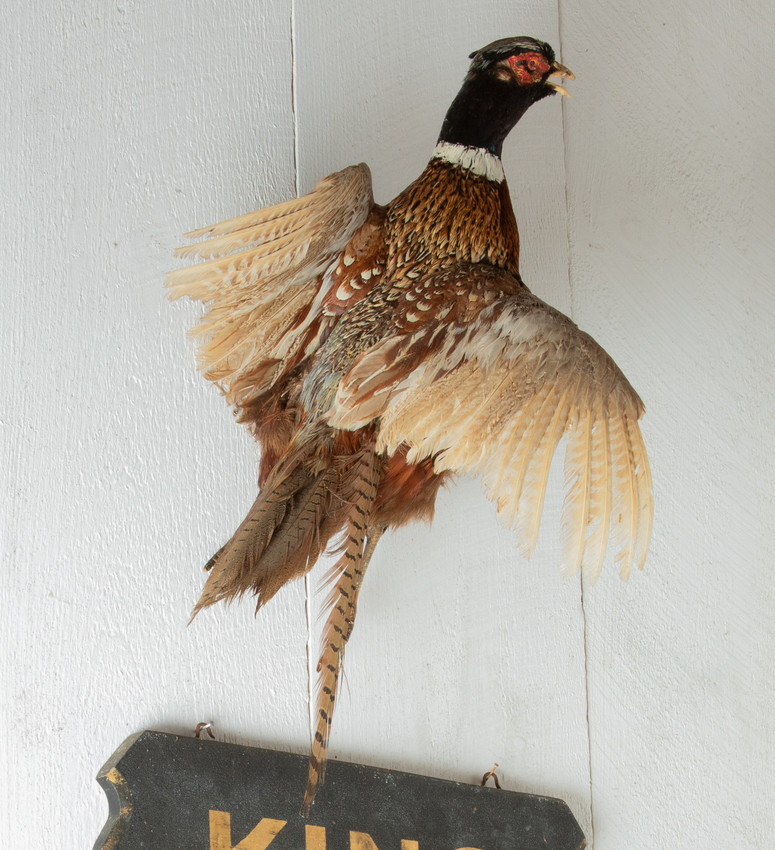
In the nineteenth and early twentieth centuries, women’s hats often featured elaborate decorative feathers, wings, and, occasionally, an entire bird. This fowl fashion trend posed risks to both the maker and the wearer. Taxidermists developed preservative recipes to protect the specimens from pests that might have viewed a stuffed bird as their next meal. Arsenic was commonly used in these recipes, often in the form of an arsenical soap. Invented by French apothecary Jean-Baptiste Becoeur and popularized by Louis Dufresne, a taxidermist and curator at the Muséum national d’Histoire naturelle in Paris, taxidermists applied the soap to the inside of the animal to make it toxic to pests. It also posed a threat to humans, causing skin lesions and cancer for those handling the taxidermized animal. Despite the hazardous threat that arsenic posed, museums widely used arsenic soap until the 1980s because of its effectiveness.
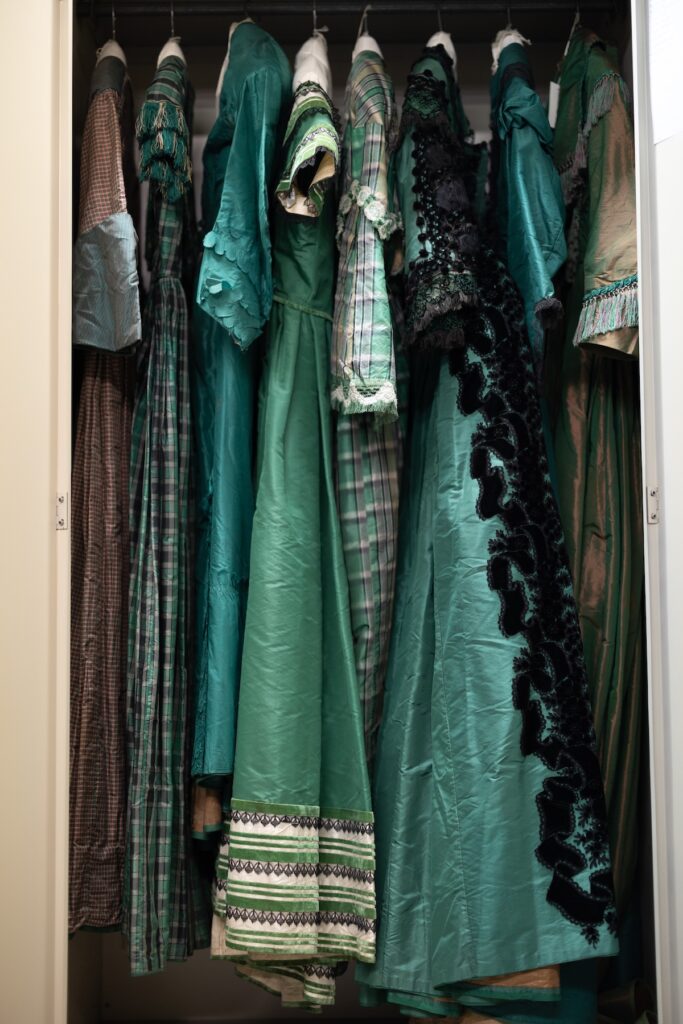
Arsenic found its way into many fashionable Victorian items, not just our friendly feathered friends. Manufacturers used Paris green, an arsenic-based pigment that produced a coveted shade of green, in dyes for items made from paper and cloth, including dresses, wallpaper, and book bindings. The Victorians were not entirely ignorant of the ill effects of arsenic. A 1875 article in The British Medical Journal highlighted the dangers of wearing the fashionable green hue after a medical officer examined multiple garments and determined that “those of the bright green colour contained arsenic in considerable quantities.” The medical officer conducted the tests after two young women showed symptoms of arsenic poisoning after wearing similar green dresses to a party.
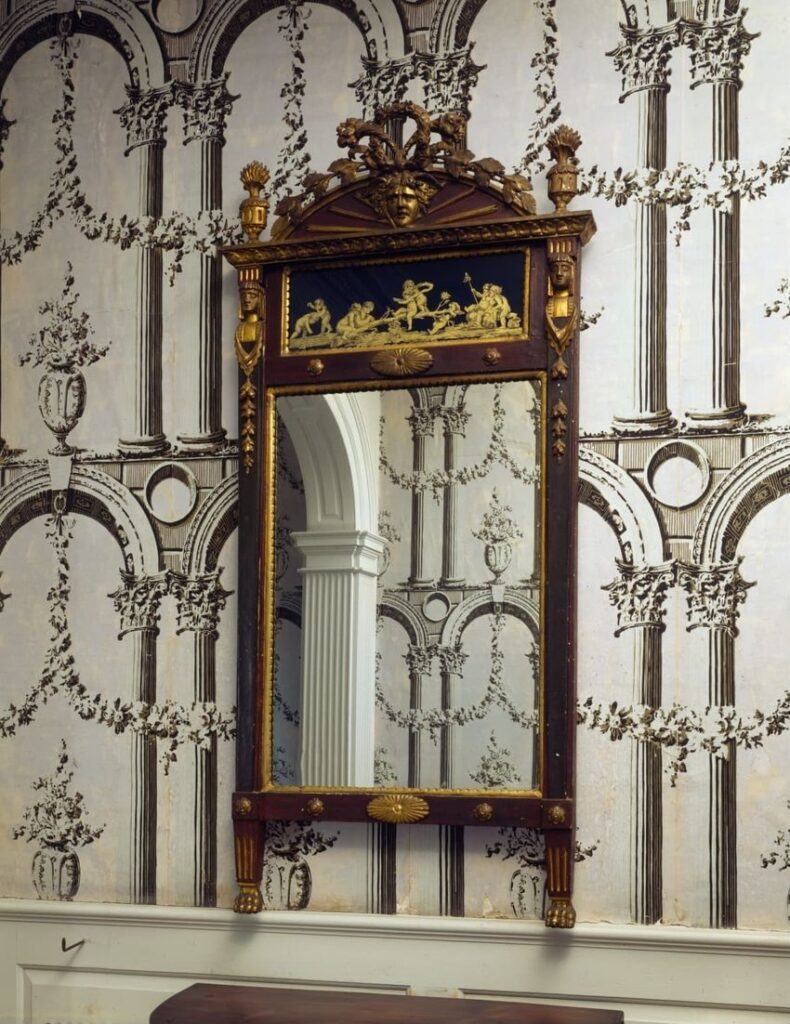
Mercury also found its way into Victorian fashion, particularly in hat-making. From the seventeenth century through the mid-twentieth century, hatters used mercury nitrate in the felting process, in a step known as carroting. Hatters brushed the fur of the animal pelts with mercury nitrate, making the hairs rougher and more brittle and thus easier to felt. Like arsenic, the use of mercury had profound health implications. Erethism, more commonly known as “mad hatter” disease, affected milliners, impacting their central nervous and gastrointestinal systems. This neurological disorder caused tremors, delirium, and behavioral changes. In addition to hats, mercury is also found in mirrors, thermometers, and barometers. While these are safe to handle because the mercury is encapsulated, it is important to take precautions when cleaning up a broken item containing mercury.
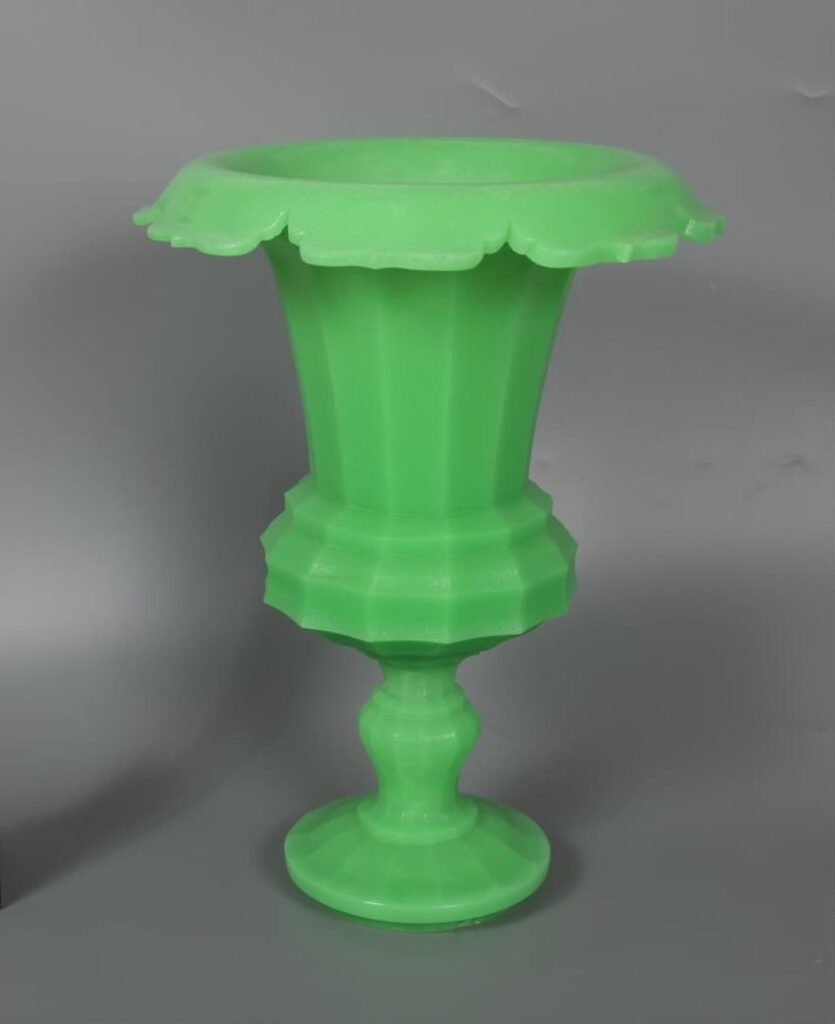
Tableware and drinkware weren’t exempt from toxic treatments. Green made another appearance in uranium glass, which was especially popular in the nineteenth and early twentieth centuries. By adding uranium, glassmakers produced vivid green and yellow hues in everything from jewelry and drinkware to lamps and decorative pieces. Uranium, a naturally occurring radioactive element, can pose serious health risks. Prolonged exposure may damage DNA and lead to cancer or genetic changes. While displaying your favorite vibrant Vaseline glassware from a local thrift shop is probably fine, you may want to think twice before sipping your favorite beverage from it.
Written by Shanna Sartori, Membership Manager
Sign up to our newsletter for our latest news and events