
Cara: Our mission at the New England Civil War Museum is to connect the people of today with the experiences, memories, and humanity of the people of the Civil War era. Our narrative focus had been on the citizen soldier; while this provided a personal, intimate view of individuals during wartime, this only represented a portion of the range of people in Connecticut and New England that experienced the Civil War. We also realized that the story was only being told through a singular perspective, primarily that of an average white man of European ancestry who held citizenship. It did not address the specific challenges that non-white people, particularly those of African ancestry, were experiencing through the same events. We sought to broaden the perspectives shared within our exhibit space and allow more of our community to be reflected in the narrative.
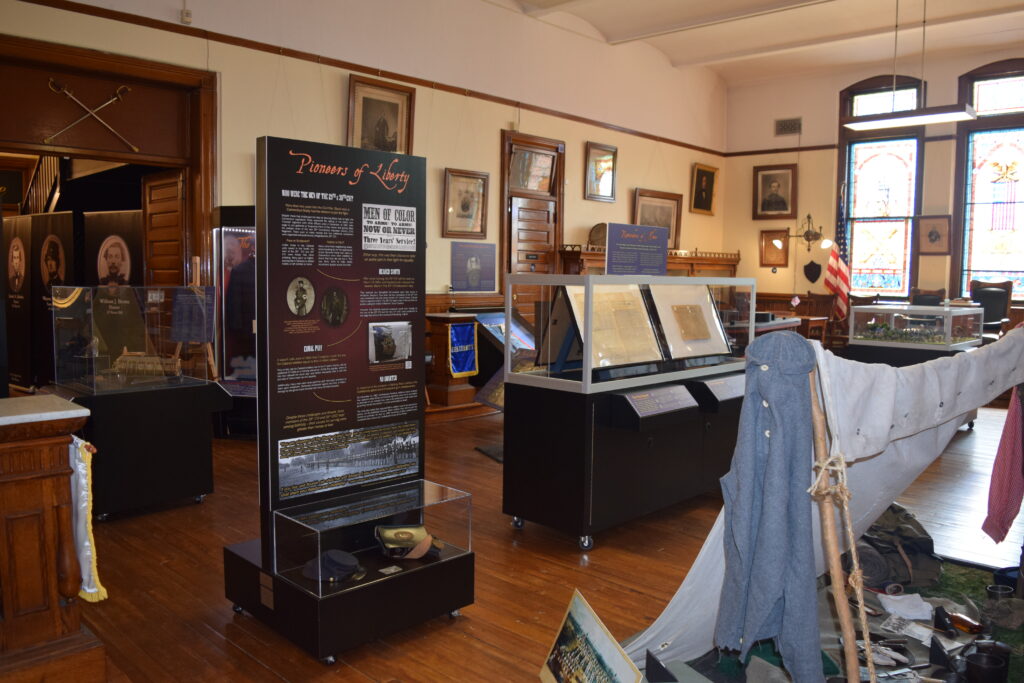
Nick: Digging through our collection, we rediscovered the zinc headstone of Azariah Freeman, a Black soldier of African ancestry who served in the 29th Connecticut Infantry during the Civil War. The headstone was replaced with a marble government veteran stone in the 1950s, correcting a spelling error in Azariah’s name. For years, it sat in our archive—untold—because we hadn’t yet done the work to fully engage with the stories of Black soldiers. As part of our effort to expand the museum’s narrative, we decided this tangible evidence of Azariah’s life would create a grounding connection to a real person’s humanity.
Azariah fought alongside Joseph Porter in the 29th, while Joseph’s brother, William Porter, served in the 14th Rhode Island Heavy Artillery. Their letters speak powerfully to the hope, frustration, and determination of Black soldiers who fought for a country that denied them full citizenship. By placing Freeman’s headstone beside Joseph and William’s words, we not only commemorate their courage but also confront the silence that has too often surrounded these men in public memory. This exhibit aims to restore their place in history and remind visitors that these stories were always here—we just had to look.
Cara: The exhibit debuted at our Living History Day, our largest annual event, and was greeted with an overwhelmingly positive reception, even surprise. Visitors are clearly hungry for “new” history and new perspectives, such as those being told at the New England Civil War Museum. We now have strong partnerships with historians in the community that are dedicated to raising the marginalized voices of those with African ancestry. Our visitors can now put themselves in the shoes of the four individuals highlighted in the exhibit and are allowed to confront the humanity that they share with people from 160 years ago. Seth, Joseph, Lizzie, and George are all local to Connecticut, so our visitors are able to see these parallels to themselves rooted in community history; that will be what they take away from this exhibit and hopefully carry with them in their understanding of our place in the world today.
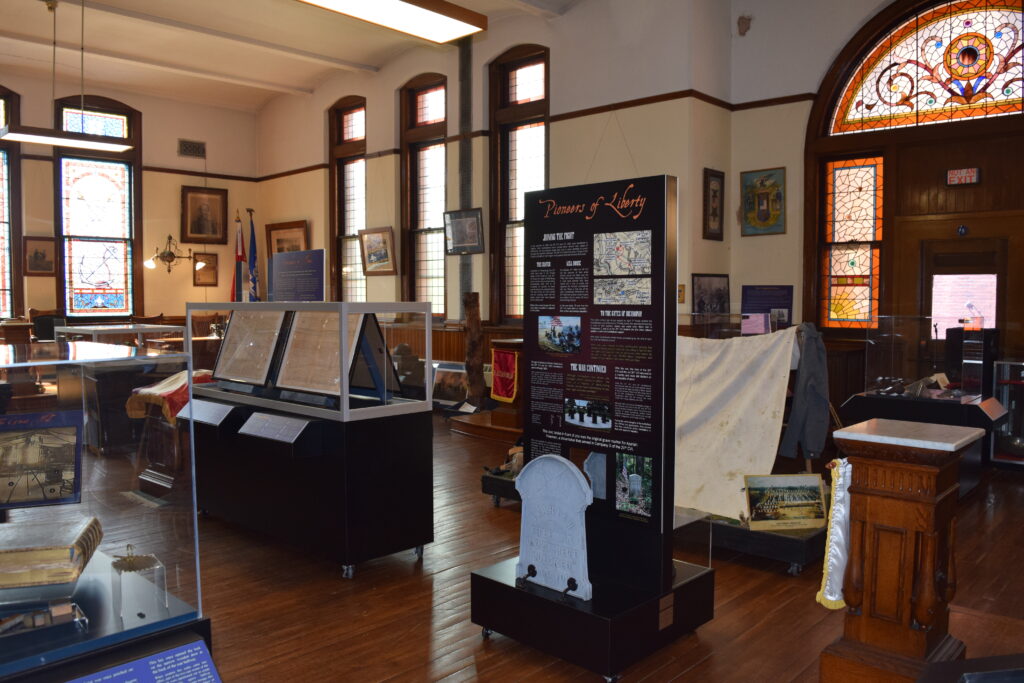
Cara: The grant was a crucial step in kicking off a museum-wide effort to research and exhibit figures who have been overlooked in the lens of American history. This is an ongoing project and we look forward to growing our understanding and cultivating a space where all community members are represented.
The project also allowed us to rethink the format in which we present the story of the people of the Civil War. Instead of the traditional “textbook” style narration, the new narrative now uses a first-person perspective of the events each of our four “heroes” experienced. People won’t necessarily remember the dates or the numbers, but they will remember the emotions they connected with while learning about Seth, Joseph, Lizzie, and George’s lives.
Cara: As a direct consequence of this project, the museum has been accepted onto the Connecticut Freedom Trail (CFT)! We are excited to be able to add to the CFT’s efforts to tell the story of Black people of African ancestry in Connecticut and look forward to collaborating on many future efforts with like-minded institutions on the trail.
We have some exciting satellite exhibits that have recently opened, including Life Studies of the Great Army: The Civil War Art of Edwin Forbes at Arts Center East in Vernon and a special exhibit surrounding the impact of Christian Sharps and his breechloading rifle at Valley Falls Farm in Vernon. We also have several upcoming lectures and our annual Living History Day.
Sign up to our newsletter for our latest news and events